
Transformative Adaptation (Extended Play)
Mk.gee, KATSEYE, Marty Supreme, and more!

Thank you everyone for all the positive responses on my last post! It was so cool to hear that other people had been feeling the same way. I wanted to write this little follow up to talk about some music and films that I couldn’t fit in the original post. Hope you enjoy.

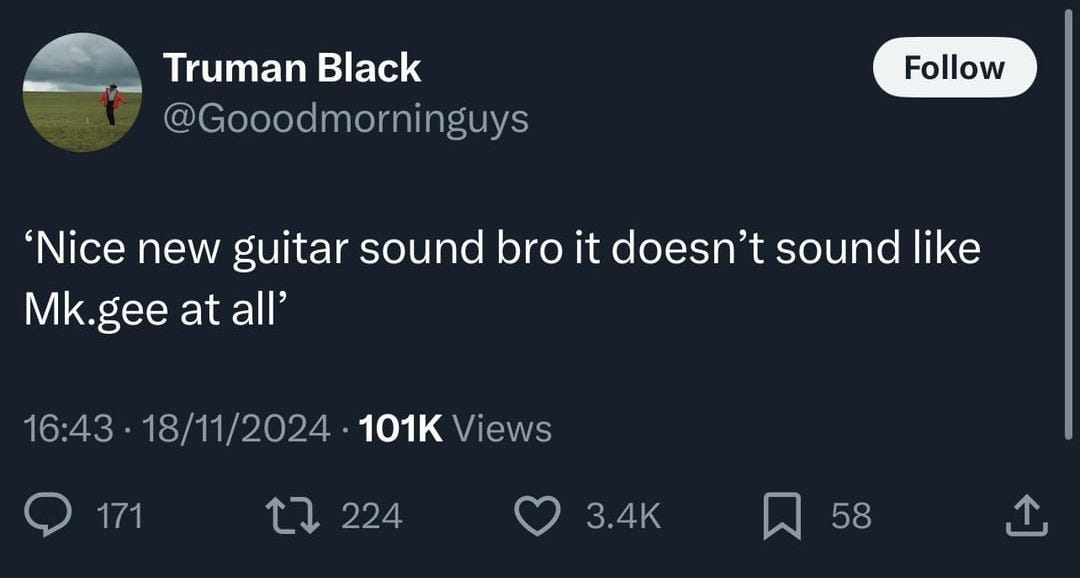
Ever since I had the idea to talk about transformative vs fidelity-based adaptation, I had the example of singer, songwriter, producer and guitar maestro Mk.gee (pronounced mc-gee) in my head. The YouTube comment above succinctly encapsulates (albeit in a slightly millenial cringe-esque register) one of the reasons that Mk.gee’s (and his collaborator/friend Dijon’s) music is so important to culture right now.
Aside from being effortlessly cool, stylish, and a phenomenally gifted singer and guitarist, it is Mk.gee’s fascinatingly creative process of adapation and reinterpretation that I want to focus on. He casts a wide net into the history of music, drawing influence not only from 80s and 90s pop rock, but also from the worlds of ambient, R&B and punk. This would be amazing enough on its own, but then he goes further, transposing and redefining all of his musical influences and creating his own hyper-distinct, inimitable sound.
It’s a testament to him that the comments on his live performances are split between people expressing their nostalgia for the 80s greats and people saying they’ve never heard anything like him. His weird, disconcerting, anti/semi-pop ballads are yearningly mornful and irresistibly catchy. Dijon is similarly creatively adapting a different musical canon, that being the long legacy of innovation in African-American music, to incredible effect with his newest album, Baby.
Also worth mentioning is the industry and commercial success of this transformative adaption and distinct new sound. Mk.gee and Dijon had production credits on Fred Again, Bon Iver and Justin Beiber’s 2024 albums, and members of The 1975 have been seen on stage with him at his shows. The industry is hungry for new and interesting perspectives on pop music, and it seems like the public is too. DAISIES, co-written by Mk.gee and Dijon, was Bieber’s lead single and highest performing song on his latest album SWAG. It debuted at the top of Spotify’s global charts, reached number one in Canada, Australia, New Zealand, Estonia, and Iceland, and number two in the US Billboard Hot 100. It’s an intoxicatingly catchy, stripped back ballad that reinterprets traditional R&B, sounds distinctly modern, and even mentions contemporary technology in its lyrics. Its success proves that people respond well to new and interesting sounds, and that fills me with optimism about the future. I can’t wait to see what Mk.gee does next.
In the film world, Bi Gan’s Resurrection and Josh Safdie’s Marty Supreme, while I did enjoy both to varying degrees, are two more examples of our obsession with fidelity to the past, and an unwillingness to look towards the future.
There were elements of both of these movies that I absolutely loved — the production design, editing, and cinematography of Resurrection is jaw-droppingly gorgeous and innovative, and the score for Marty Supreme is extraordinary — but I couldn’t help leaving the cinema feeling that they were both ideologically opposed to progress and the possibilty that greatness might still exist in the future or the present.1 Sorry.
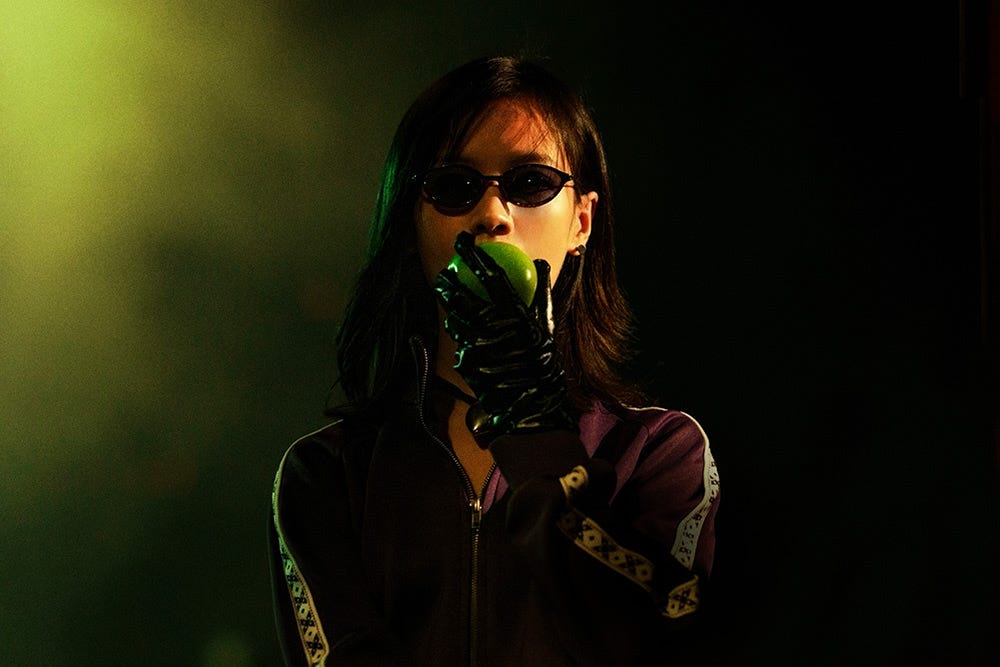
Then there’s KATSEYE. I have mixed feelings on these guys, but I can’t deny their willingness to engage with the current hyper-online moment.2 I’ll leave you with the video for their newest single, Internet Girl (below), and you can make up your own mind about them. Be sure to check out this much older video by Every Frame A Painting about representing texting and the internet in cinema (also below).
Is KATSEYE doing a great job, or is it so awful that it’s hard to watch?
Let me know. cya!
Marty Supreme less so than Resurrection, but they still both left me with this really weird ‘end of history’ vibe, as if everything important has already happened, and the 21st Century doesn’t really count.
This goes for K-pop as a genre/industry as well, if you can even call KATSEYE K-pop (I genuinely don’t know).